June 24, 2026
Leaflet Distribution PE4 That Delivers
Leaflet distribution PE4 for local firms that want reliable delivery, clear targeting and better response from every campaign…
Read article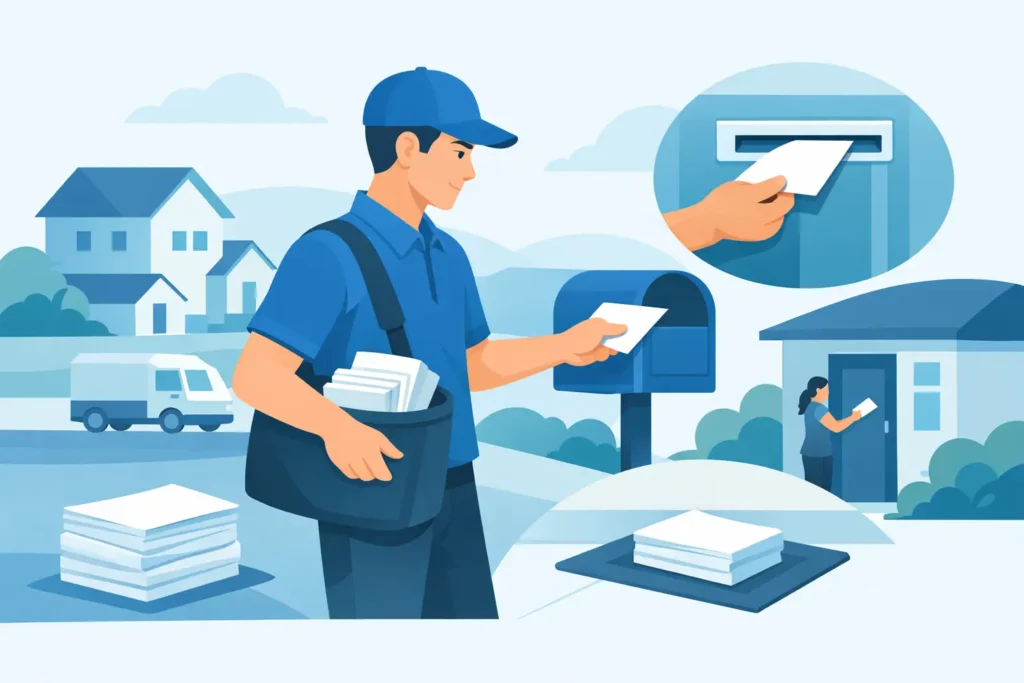
If you are paying to print and distribute marketing materials, one question matters straight away: will your leaflet arrive on its own, or buried in a bundle with other adverts? That is the real answer behind what is solo leaflet distribution, and for many local businesses, it can make a noticeable difference to response.
Solo leaflet distribution means your leaflet is delivered by itself, rather than shared with other businesses’ leaflets in the same round. The household receives your marketing piece as a single item, which gives it a better chance of being seen, handled and read. It is a straightforward option, but it is usually chosen for a specific commercial reason – more attention, tighter brand control and a stronger impression in the areas that matter most.
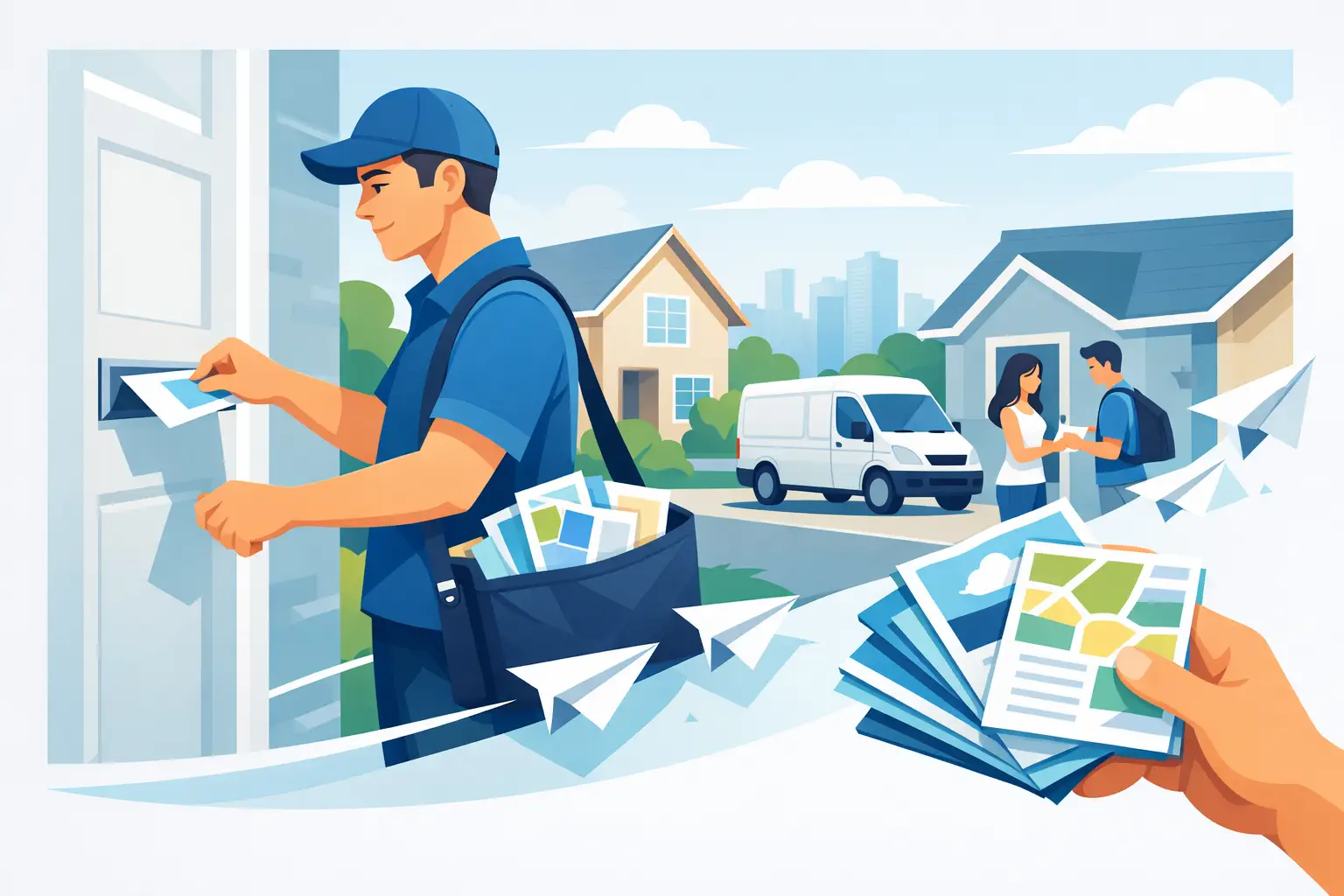
In practical terms, solo leaflet distribution is exactly what it sounds like. One business, one leaflet, one delivery. Your material is posted through the letterbox on its own, instead of being combined with other promotions.
That changes the experience for the recipient. A single leaflet is harder to ignore than a mixed bundle. It does not have to compete with takeaway menus, local offers and event flyers all arriving together. If your aim is to stand out in a specific postcode sector, solo delivery gives you a cleaner shot at doing that.
From a campaign planning point of view, the process is usually simple. You choose the target area, the quantity and the delivery window. Your distributor then plans the round and delivers only your leaflet to the selected households. For businesses running area-led campaigns, this can be especially useful when timing matters, such as a new opening, seasonal push, limited-time offer or service launch.
The main reason is visibility. If a leaflet arrives alone, the householder is more likely to notice the brand, headline and offer. There is less clutter, and that matters.
For some businesses, that extra attention is worth the higher distribution cost. A kitchen company promoting a high-value enquiry, a local estate agent targeting a premium neighbourhood, or a trades business launching in a new patch may not want to share the moment with several unrelated advertisers. In those cases, the priority is not the cheapest possible reach. It is better response from the right homes.
Solo distribution can also help with brand presentation. If you have invested in good design, quality print and a clear message, it makes sense to give that leaflet the best possible chance of landing properly. Shared delivery has its place, but solo gives your campaign more breathing room.
There is also a trust and planning angle. Businesses that want tighter control over when and where their campaign lands often prefer solo delivery because it fits more naturally with focused, premium or time-sensitive activity.
The difference between solo and shared distribution comes down to impact versus cost efficiency.
Shared distribution places your leaflet alongside other advertisers’ materials. That can be a sensible option if your main goal is broad local coverage at a lower cost per household. For many routine campaigns, especially repeat advertising, shared distribution works well enough and keeps spending under control.
Solo distribution usually costs more because your leaflet is the only item being delivered on that round. You are paying for exclusivity, not just coverage. In return, you get stronger visibility and less competition at the doorstep.
Neither option is automatically better in every case. It depends on the value of the enquiry you are trying to generate, how competitive your local market is, and how important first-impression impact is to the campaign.
If you are advertising a low-margin offer and need maximum reach for a fixed budget, shared distribution may be the better fit. If one new customer can cover a large part of the campaign cost, solo delivery often makes more commercial sense.
Solo delivery tends to work best when the message needs clear attention and the campaign has a strong reason to be seen on its own.
That might be a new business launching in a neighbourhood, a local service company moving into a new postcode area, or an event promoter trying to build turnout within a short window. It also suits businesses with higher-value services, where even a modest response rate can still produce a solid return.
It is often a sensible choice for industries such as home improvement, estate agency, private healthcare, education, premium cleaning, landscaping and professional services. These are the kinds of offers where one decent enquiry can be worth far more than the cost difference between shared and solo delivery.
It can also be useful when your leaflet carries a strong offer that needs to be noticed quickly. If timing is linked to a sale period, opening date or booking deadline, solo delivery reduces the risk of your message getting lost among unrelated leaflets.
It is worth being clear about this. Solo distribution improves the chance of your leaflet being seen, but it does not guarantee results on its own.
If the design is weak, the message is vague, the offer is poor or the targeting is off, solo delivery will not fix that. It can give a bad leaflet more exposure, but that is not the same as making it effective.
Response also depends on the audience and the area. A well-planned campaign in the right neighbourhood can perform strongly. The same leaflet sent to the wrong households may do very little. That is why local knowledge, postcode selection and realistic quantity planning matter just as much as the delivery format.
There is also a budget trade-off. Because solo campaigns cost more, they may reduce the total number of homes you can cover. For some businesses, covering fewer but better-matched households is the right move. For others, a wider spread through shared delivery will be the smarter use of budget. The right answer depends on your objective, not just the format.
Start with the value of a new customer. If one job, booking or sale is worth a strong margin, paying more for a clearer delivery format can be justified quite quickly.
Then look at your message. Is this a campaign where visibility matters? Are you promoting something time-sensitive, premium or locally competitive? If so, solo delivery deserves serious consideration.
Next, think about your geography. In targeted local marketing, the area often matters more than the volume. Reaching the right streets in the right postcode sectors will usually outperform blanket coverage with no clear strategy behind it. For businesses working across Peterborough and surrounding areas, focused planning across places such as PE1 to PE7 can often produce a better result than simply chasing the biggest number of doors.
Finally, consider how you will measure response. Use a dedicated phone number, landing page, offer code or booking question so you can judge performance properly. A campaign only becomes useful when you can see what it actually delivered.
Before you commit, ask how the delivery is planned, how areas are selected and what proof or reporting is provided. Those questions matter because the biggest concern in leaflet distribution has always been accountability.
You should also ask about minimum quantities, delivery windows and whether the campaign can be shaped around specific postcode sectors or customer types. A reliable provider should be able to explain the practical side clearly, without dressing it up.
Most importantly, be honest about your objective. If you want maximum attention in a carefully chosen area, solo distribution is often the right fit. If you mainly want lower-cost exposure across a wider patch, another format may suit you better. Good planning starts with that distinction.
For local businesses that want direct access to households, solo leaflet distribution is a simple idea with a clear commercial benefit – your message arrives on its own, with a better chance of being noticed. When the area is well chosen, the timing is right and the leaflet gives people a reason to act, that extra visibility can turn print into a very practical source of enquiries.
Ready to plan your next leaflet campaign?
Get a Free Quote
Leaflet distribution PE4 for local firms that want reliable delivery, clear targeting and better response from every campaign…
Read article
Compare cheap leaflet distribution options for local campaigns, from shared delivery to postcode targeting, and spend less without…
Read article
Learn how to prepare artwork for leaflet distribution with the right size, bleed, layout and print setup so…
Read article