June 24, 2026
Leaflet Distribution PE4 That Delivers
Leaflet distribution PE4 for local firms that want reliable delivery, clear targeting and better response from every campaign…
Read article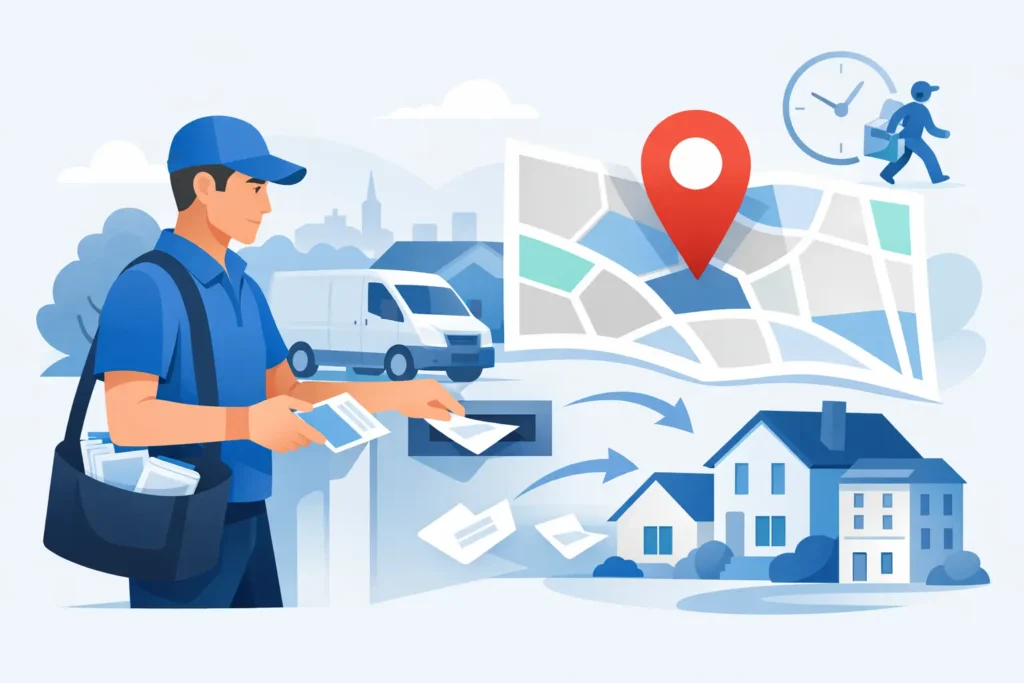
A print run means nothing if it lands in the wrong streets, goes out at the wrong time or leaves you guessing whether it was delivered at all. That is why leaflet distribution PE1 works best when it is planned properly from the start – with clear area targeting, realistic quantities and a delivery method that suits the job.
For businesses trying to win more local enquiries, PE1 offers a strong opportunity. It includes established residential areas, busy neighbourhoods and a broad mix of households that many local firms want to reach. If you are promoting a trade service, local offer, takeaway, estate agency, gym, event or new opening, direct household delivery can put your message in front of the people most likely to act on it.
Digital advertising has its place, but it is not always the most efficient way to reach a local audience. Costs can rise quickly, targeting is only as good as the data behind it, and plenty of businesses end up paying for attention outside their real service area. Print is different. You choose the coverage, control the quantity and put a physical piece of marketing directly through the door.
That matters in PE1, where many businesses are not looking for broad regional exposure. They want calls, bookings and awareness in specific neighbourhoods. A well-produced leaflet with a clear offer can do that very effectively, especially for services people buy locally and often at short notice.
The key point is that results do not come from printing alone. They come from matching the campaign to the area. A cheap, untargeted run may look good on paper, but if the distribution is weak or the coverage is wrong, the return usually reflects that.
A strong campaign starts with the commercial goal. Some businesses want immediate response. Others want repeated local visibility over time. Those are different jobs, and they should be planned differently.
If your priority is fast enquiry generation, the message needs to be direct. A clear service, a strong reason to act now and an easy response route usually perform better than a busy design trying to say everything at once. If the goal is awareness, consistency matters more. Reaching the same type of household across a defined area more than once can often produce better long-term value than a single larger burst.
Timing also makes a difference. Seasonal trades, hospitality offers, back-to-school promotions and event marketing all depend on getting the material out at the right point. Too early and people forget it. Too late and the buying window has narrowed.
Then there is the question of quantity. More is not automatically better. It depends on the type of business, the strength of the offer and how tightly you want to focus the spend. A smaller, well-targeted PE1 campaign can outperform a wider run if the households are a better match for the service being advertised.
Not every campaign should be handled in the same way. One of the most important decisions is whether to use shared delivery or solo delivery.
Shared distribution is often the right fit when cost control is a priority and the main objective is broad local coverage. It allows businesses to reach households efficiently without paying the full premium of a dedicated run. For many small and medium-sized firms, that is a sensible place to start.
Solo distribution is different. It gives your leaflet exclusive attention, which can be a better option for premium services, major promotions, product launches or campaigns where visibility matters as much as reach. It costs more, so it is not always necessary, but for the right campaign it can improve impact.
There is no automatic winner between the two. It depends on budget, audience and the value of a customer enquiry. If one job is worth a high margin, spending more on a stronger delivery format can make complete sense. If you are promoting a lower-value but high-volume offer, efficiency may matter more.
Most businesses considering print marketing have the same concern. They do not just want leaflets booked in. They want confidence that the delivery has actually happened.
That is where many campaigns go wrong in this sector. If reporting is vague and routes are unclear, it becomes difficult to measure value or plan the next round with confidence. Reliability is not a bonus. It is the baseline requirement.
A proper distribution service should be able to explain where the campaign is going, how the route is organised and what reporting is provided afterwards. That level of transparency matters because it protects your budget. It also gives you a clearer picture when judging response rates.
For local firms investing in PE1, verified routes and straightforward reporting help remove a lot of the uncertainty that puts businesses off print. When you know the plan, the area and the delivery method, you can make a sensible commercial decision rather than taking a gamble.
The most effective campaigns are usually the simplest. Start with the households you want to reach and the result you want from them. That sounds obvious, but many campaigns are still built backwards around print quantity rather than business objective.
If you cover PE1 and nearby areas as a service business, think about where your best jobs usually come from. Are you trying to build density near existing work? Are you entering a new patch? Are you targeting family households, owner-occupiers or general residential coverage? The answers shape the delivery plan.
Once the area is clear, match the quantity to the budget and expected response. Then focus on the leaflet itself. A clean design, a strong headline, one main offer and prominent contact details generally do more work than a cluttered layout packed with too much information.
It also helps to think beyond one run. A single campaign can produce results, but repeated exposure often improves response, particularly in competitive local markets. People may not act the first time they see your business. They are more likely to remember it after a second or third appearance.
PE1 campaigns tend to work well for businesses where geography matters. Trades, home improvement firms, cleaning companies, takeaway outlets, childcare providers, estate agents, health and beauty services, local events and community promotions all have a clear reason to target households directly.
That does not mean every business should use print. If your audience is highly specialised or mostly business-to-business, door-to-door delivery may be less efficient than other channels. But for many customer-facing local services, it remains one of the most practical ways to build visibility in a defined area.
It is especially useful when you want coverage that is easy to understand. You are not paying for vague impressions or broad clicks. You are selecting an area, setting a quantity and getting your message into homes that are within reach of your service.
Most poor campaigns fail for predictable reasons. The targeting is too broad, the message is weak or the delivery provider is chosen on price alone. Cheap distribution that lacks accountability can become expensive very quickly if response is poor and you have no confidence in what was delivered.
Another common issue is trying to say too much. A leaflet is not a brochure. It needs a clear job. Whether that is booking a quote, claiming an offer or raising awareness of a local service, the message should lead the reader in one direction.
Businesses also underestimate the value of local knowledge. Area selection is not just about postcode boundaries. It is about choosing streets and residential coverage that fit the campaign. That is one reason experienced local providers often deliver better value than a generic one-size-fits-all approach.
PB Leaflet Distribution has built its service around that point – reliable delivery, clear targeting and transparent reporting for businesses that need results they can track.
The best way to improve return is not always to spend more. It is to make better decisions with the budget already available. Refine the area. Tighten the offer. Choose the right format. Repeat where the response is strongest.
That is the practical advantage of leaflet distribution in a postcode like PE1. It gives local businesses control. You can test one neighbourhood, build on what works and scale with more confidence. That is far more useful than pouring money into marketing you cannot properly verify.
If you are planning your next local campaign, think less about how many leaflets you can print and more about where they should go, when they should land and what you want them to achieve. That is usually where the real return starts.
Ready to plan your next leaflet campaign?
Get a Free Quote
Leaflet distribution PE4 for local firms that want reliable delivery, clear targeting and better response from every campaign…
Read article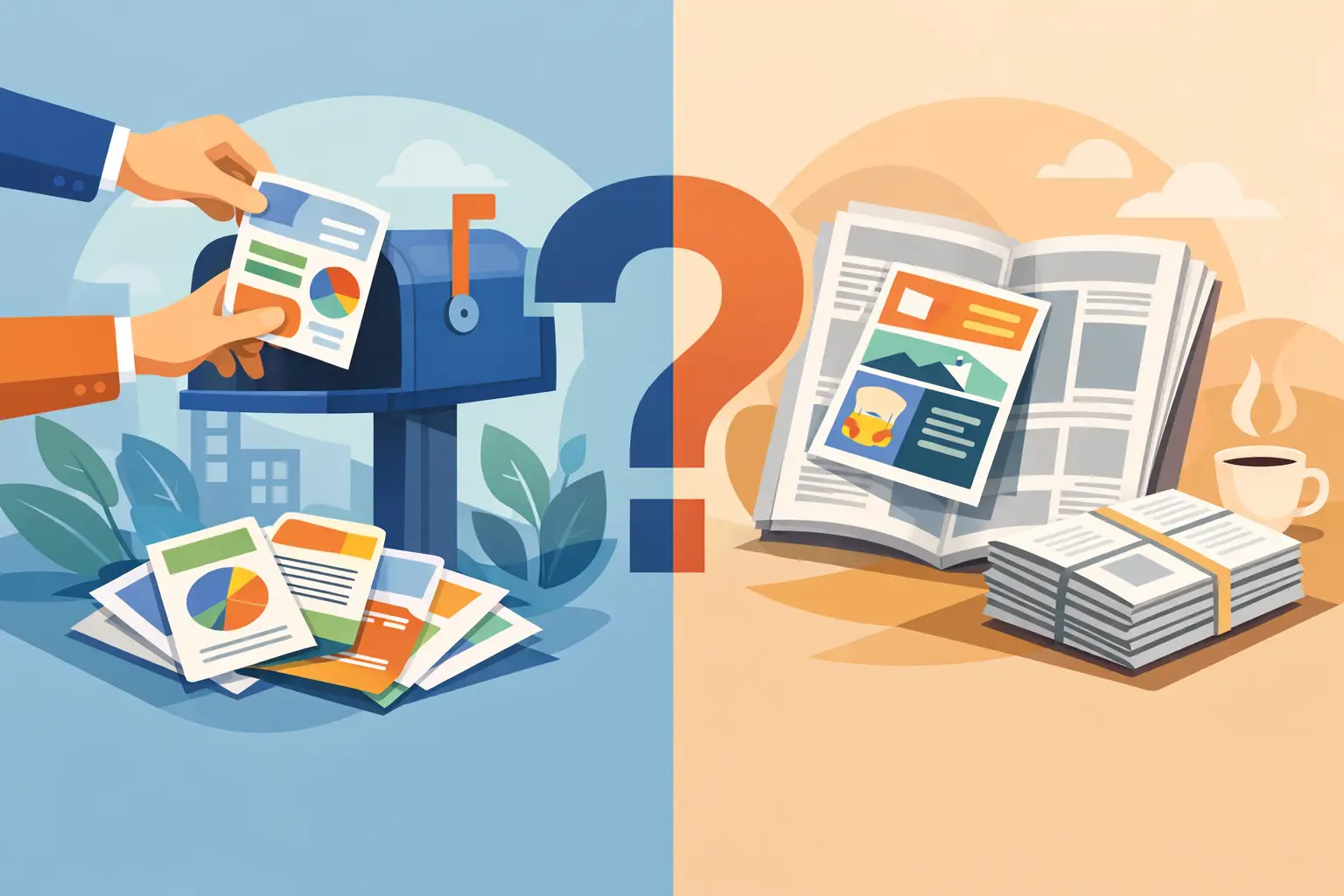
Shared leaflets or newspaper inserts can both cut costs, but the right choice depends on targeting, timing, visibility…
Read article
Find the best leaflet distribution for tradesmen with smarter area targeting, verified delivery and campaign planning that brings…
Read article