May 22, 2026
Door to Door Leaflet Distribution Near Me
Need door to door leaflet distribution near me? Learn how to choose a reliable local service, target the…
Read article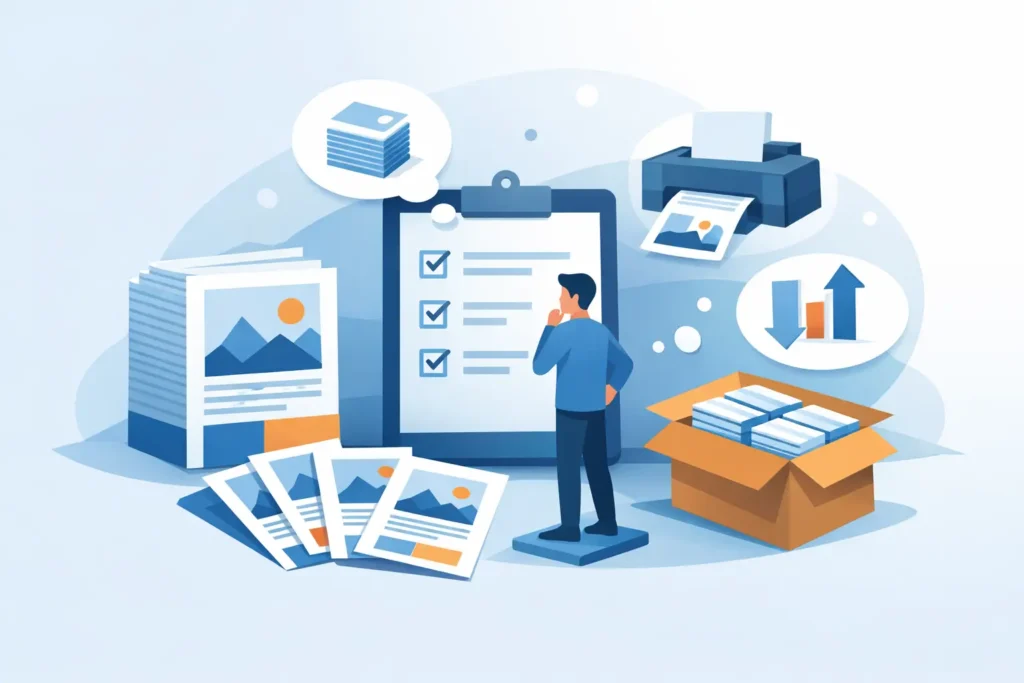
If you are asking how many leaflets should I print, the real question is usually this: how many homes do I need to reach before the campaign starts bringing in work? Print too few and the campaign struggles to gain momentum. Print too many and you tie up budget in stock you may not need yet. The right number sits somewhere between your coverage, your offer, your timing and what a new customer is worth to you.
For most local businesses, leaflet quantity should be planned around delivery area first, not guesswork. A sensible print run is based on how many households you want covered, whether you are targeting one area or several, and whether this is a one-off push or part of a repeated campaign.
A small local campaign often starts at a few thousand leaflets. That can be enough if you are focusing on a tight postcode sector, testing a new offer, or promoting a business with a high customer value such as roofing, kitchens, legal services or home improvements. If your service area is broader, or your product relies on repetition, you will usually need more.
As a rough guide, 2,500 to 5,000 leaflets can work well for a targeted test. Around 10,000 gives you wider local coverage and a better read on response. Once you move beyond that, you are usually planning a fuller area campaign rather than a trial.
What matters is not whether 5,000 or 10,000 sounds like a big number. What matters is whether that quantity matches actual door counts in the areas you want to cover. If there are 4,200 suitable households in your chosen patch, printing 3,000 means part of the area gets missed. Printing 8,000 means you are either expanding the campaign or storing leftovers.
Businesses often begin by asking what quantity gives the cheapest unit cost at print. That is understandable, but it is the wrong starting point. A lower print cost per leaflet does not help if the quantity is wrong for the campaign.
Start by deciding where the leaflets need to go. If you want to target selected residential streets, family-heavy estates, commuter areas or specific postcode sectors, get the household count first. Then add a sensible margin for spoilage, late campaign changes or a second pass in strong-performing streets.
A practical rule is to print slightly above the delivery quantity you need. That gives you enough stock for handling, setup and any minor wastage without forcing a full reprint.
The difference between a planned campaign and a vague one is accuracy. If your target area contains 6,800 homes, you can budget properly, estimate likely response, and compare the result against future rounds. If you are simply printing 10,000 because it feels safe, you lose that control.
For businesses working across Peterborough and nearby postcode areas, this is especially useful because neighbourhoods vary. Some sectors are dense and efficient for household coverage. Others are more spread out. That affects both quantity and budget.
Not every business needs the same print volume. A pizza offer, a new gym promotion and a loft conversion firm are not playing the same numbers game.
If your service has a low order value but broad appeal, you often need larger volume and repeated exposure. Think takeaways, local retail, cleaning, seasonal offers or community events. The return comes from enough households seeing the leaflet in a short period.
If your service has a higher customer value, fewer leaflets can still make commercial sense. A plumber, mortgage adviser, childcare provider or dentist may only need a modest number of strong leads for the campaign to pay for itself.
That is why there is no single correct answer to how many leaflets should I print. The better question is how many relevant households do I need to reach to generate enough response at a profitable cost.
Single-round campaigns have their place. They are useful for launches, seasonal offers, time-limited promotions and local awareness. But many businesses expect too much from one delivery.
In reality, repeat exposure often performs better than one large hit. Residents may notice your leaflet the second or third time rather than the first. Repetition also builds familiarity, which matters if you are asking someone to trust you with a service in their home.
That changes print planning. Instead of printing 20,000 for one pass, it may be smarter to print 7,000 for each of three rounds in the same target area. The total quantity can end up similar, but the campaign is usually stronger because the timing is more deliberate.
If you have not used leaflet marketing before, or you are entering a new area, a test run is usually the sensible starting point. Print enough to cover a clearly defined area, measure the response, then scale based on real data.
This approach keeps risk under control. It also tells you whether the issue is quantity, area selection or the leaflet itself. If 3,000 well-targeted leaflets produce nothing, the answer is not always to print 20,000 more. The offer, design or targeting may need adjusting first.
A lot of businesses set print quantity based on what they can afford this month. That is practical, but it can also lead to underpowered campaigns. If you spread a small budget too thinly across too large an area, the campaign may not generate enough visibility to make an impact.
It helps to work backwards from customer value. If one new customer is worth £300, £1,000 or more over time, you can justify a more serious print quantity than a business earning a small one-off margin. This is where leaflet marketing often works well for local service businesses. You do not need hundreds of responses. You need enough quality enquiries to cover the campaign and move it into profit.
A tighter, better-targeted quantity often beats a larger, weaker one. Ten thousand leaflets to the wrong households is still waste. Five thousand to the right households can be far more effective.
The way your campaign is distributed also influences how many leaflets you should print. If you are using a cost-efficient shared campaign, you may choose a broader quantity because the distribution cost allows more coverage. If you are using solo distribution for stronger impact, the quantity may be lower but more selective.
Neither option is automatically better. It depends on your objective. If you want wide awareness at controlled cost, shared delivery can make sense. If you are promoting a premium service or a high-value local launch, solo delivery can justify a tighter, more focused print run.
This is where campaign planning matters more than blanket advice. A dependable distribution plan should shape the print quantity, not the other way round.
If you need a practical starting point, use this line of thinking. First, choose the exact area you want to cover. Second, confirm the approximate number of households. Third, decide whether this is a one-off campaign or a repeat schedule. Fourth, check whether the offer is broad appeal or high value. Then print enough to match the plan with a small buffer.
That may lead you to 3,000 leaflets for a test, 5,000 for a tightly targeted local campaign, or 10,000 plus for broader residential coverage. The number itself is not the goal. The goal is enough delivery into the right homes to give the campaign a fair chance of producing results.
The most common mistake is printing based on a round number rather than an actual area plan. The second is expecting one small run to generate unrealistic response. The third is printing too much before testing.
Another mistake is separating print from delivery. A campaign only works when both parts line up properly. There is no value in printing a quantity that does not fit your target geography, timing or distribution method.
This is why experienced planning matters. Businesses that get consistent results from leaflet marketing usually treat quantity as part of a campaign decision, not a standalone print order.
If you want the straightforward answer, most local businesses should start with enough leaflets to cover one clearly defined target area properly, then increase volume once response proves where the best return is. That is usually the point where print stops being a gamble and starts becoming a repeatable marketing channel.
If you are unsure, do not ask what the biggest print run should be. Ask what quantity gives your business the clearest, most measurable next step.
Ready to plan your next leaflet campaign?
Get a Free Quote
Need door to door leaflet distribution near me? Learn how to choose a reliable local service, target the…
Read article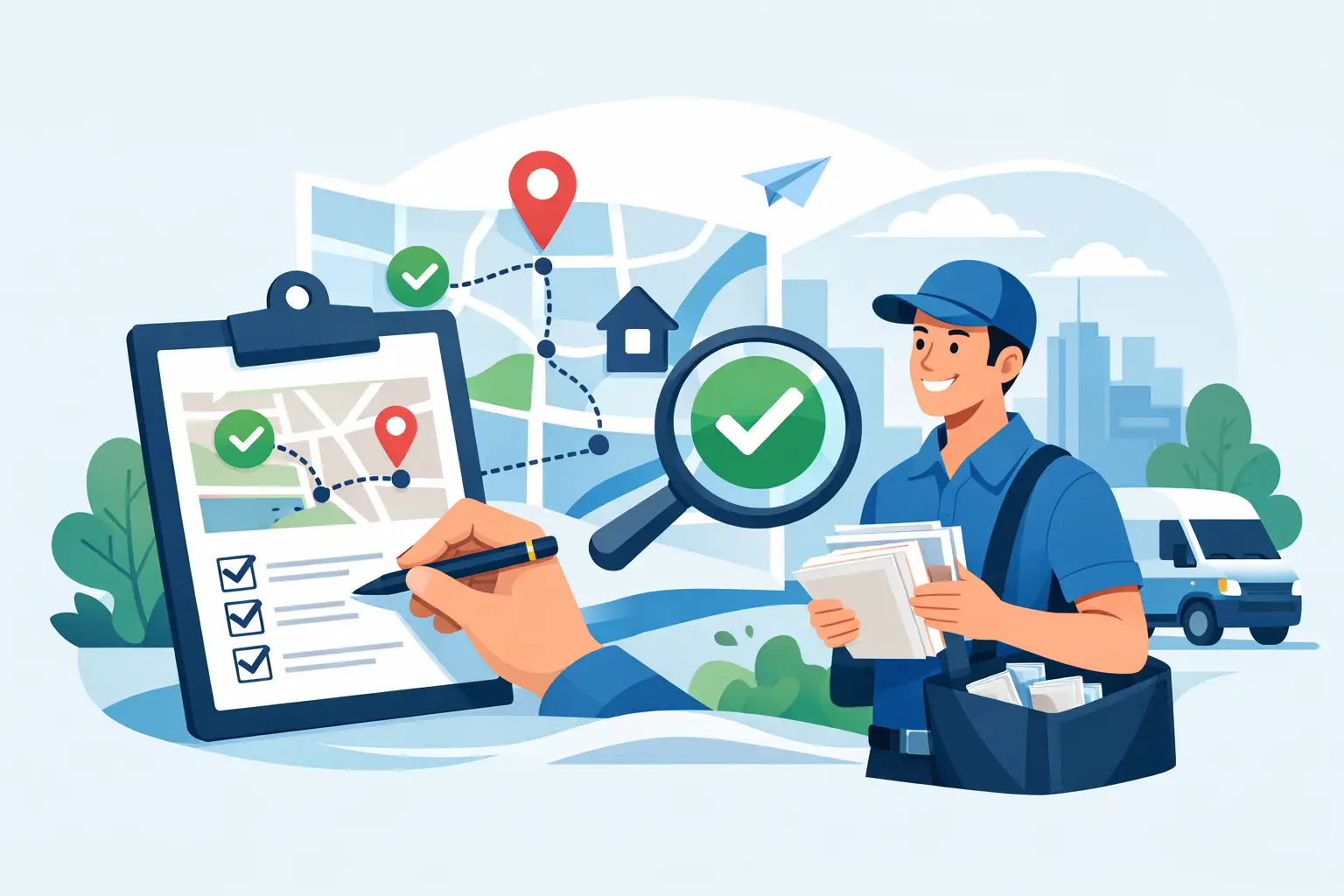
Verified leaflet delivery routes give businesses proof, better targeting and more confidence that every campaign reaches the right…
Read article
Door to door leaflet distribution can deliver strong local results when targeting, timing and delivery quality are planned…
Read article