July 1, 2026
Are Leaflets Still Effective Today?
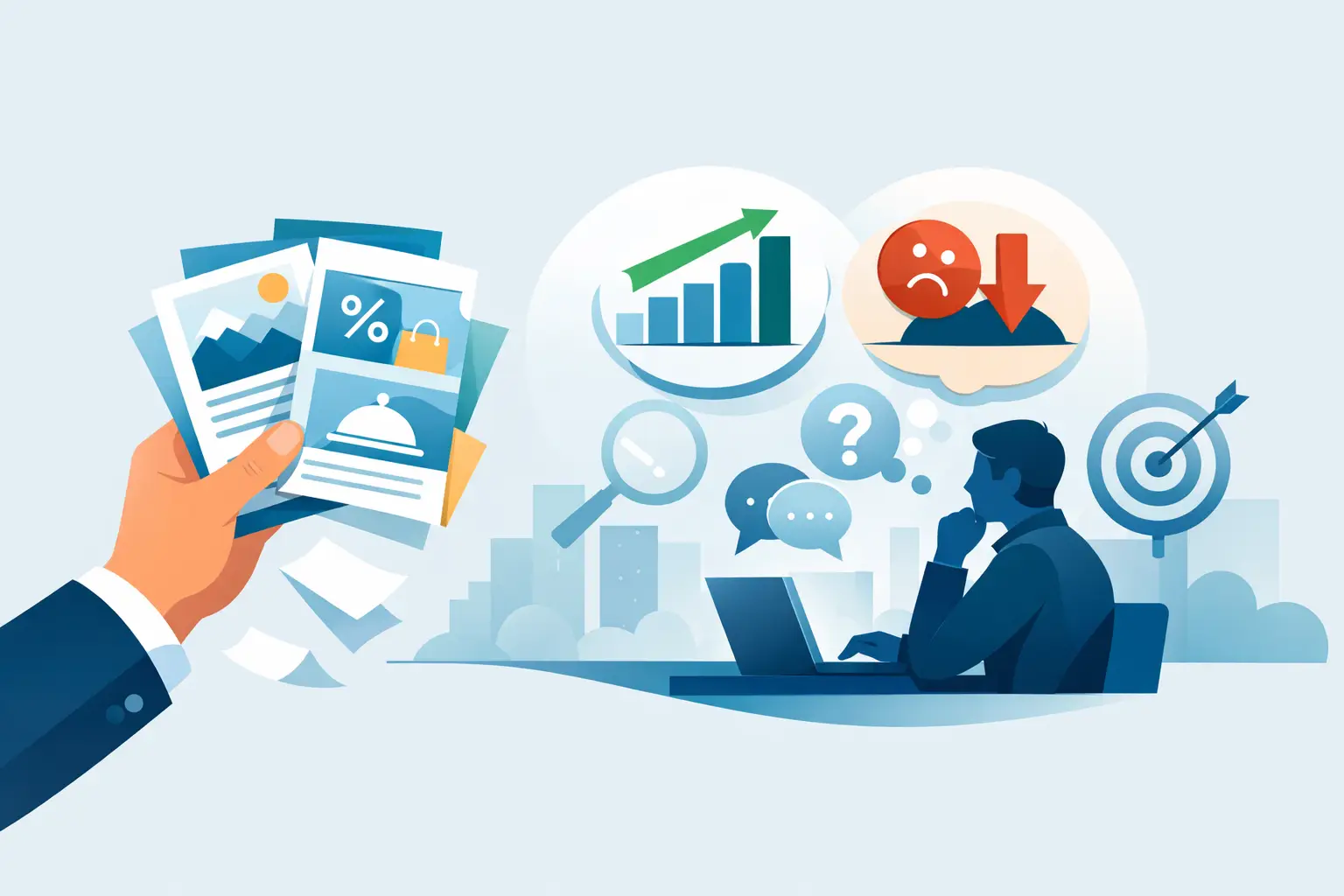
Are leaflets still effective today? Yes - when targeting, design and delivery are right, they remain a cost-effective…
Read article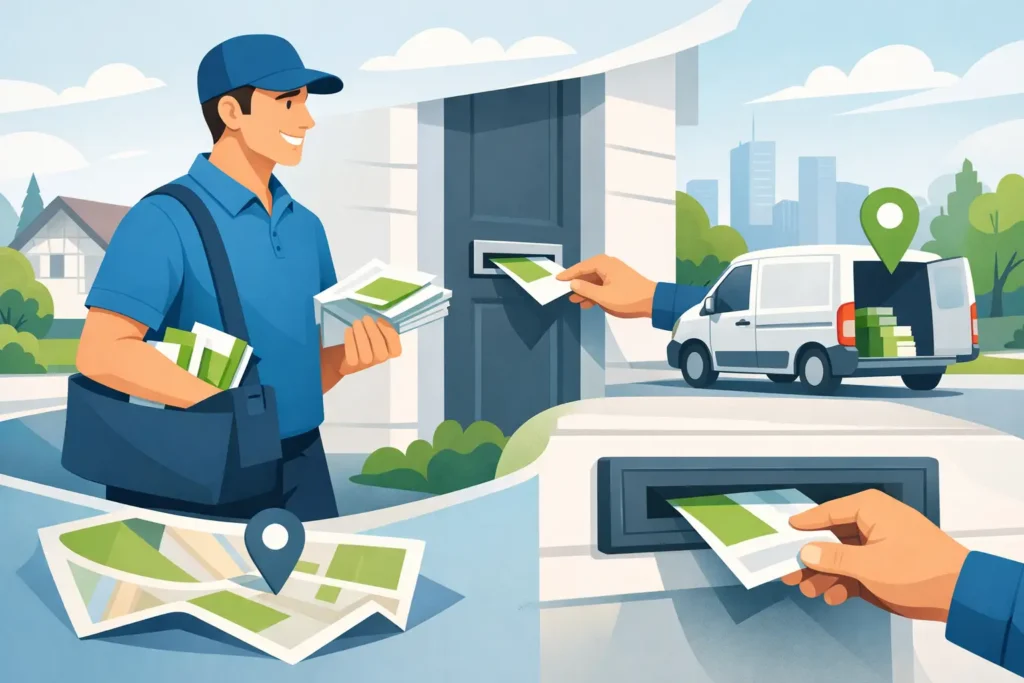
If you are paying to print 5,000 leaflets, the real question is not whether they look good. It is whether leaflet distribution PE5 will put them through the right doors, at the right time, in the right part of the area. That is where campaigns either produce enquiries or waste budget.
PE5 can work well for local leaflet campaigns because it gives businesses a defined residential audience without the scattergun feel of wider untargeted coverage. For trades, estate agents, takeaways, childcare providers, local events and service businesses, that matters. You are not trying to be seen by everyone. You are trying to be seen by households most likely to act.
Digital advertising has its place, but local businesses often run into the same problem with it. Costs rise, attention drops, and targeting looks precise until the leads come through from the wrong place. A well-planned leaflet campaign is more direct. It places your offer in the home, in a physical format, without asking someone to scroll past ten competitors first.
That does not mean every print campaign performs the same. Results depend on the area, the message, the timing and the quality of the delivery. A strong campaign in PE5 usually starts with clear local intent. If your business serves households in and around that postcode, or if you want to increase visibility in a nearby residential catchment, the area can give you focused exposure rather than diluted reach.
The practical advantage is simple. Households receive your message where buying decisions are often made – at the kitchen table, by the hallway post pile, or when discussing a quote, takeaway, cleaner, tutor or local event. Print still earns attention in a way many paid ads no longer do.
The biggest factor is not volume on its own. More leaflets do not automatically mean better returns. What matters is matching quantity and coverage to a realistic campaign goal.
If you want immediate response, solo distribution can make more sense because your leaflet is the only piece being delivered. That gives you stronger visibility and avoids competing for attention in the same bundle. It costs more, but for higher-value services or time-sensitive promotions, that extra impact can be worth it.
Shared distribution suits businesses that want cost control and broad local awareness. If your goal is to stay visible, test a new area or support repeat exposure over time, shared delivery can be a sensible commercial option. The trade-off is obvious – lower cost per household, but less exclusivity.
Then there is targeting. PE5 is not just a label on a map. It is a campaign area that should be selected because it lines up with your service range, your likely customer type and your ability to handle response. A local plumber might want dense residential coverage to generate steady domestic work. A premium home improvement firm may be more selective and focus on streets that fit a higher-value job profile. The right approach depends on what a lead is worth to your business.
A good leaflet campaign starts with a basic commercial decision: are you trying to generate fast enquiries, long-term recognition, or both? Businesses often blur those goals, and that is where planning becomes weak.
For direct response, your leaflet needs a clear offer, simple contact details and a reason to act now. This works well for services such as cleaning, removals, gardening, roofing, oven cleaning and emergency repairs. The message should be immediate and practical.
For brand visibility, consistency matters more than urgency. If you want PE5 residents to remember your name when they need your service later, regular distribution across the same area can outperform one-off bursts. That is especially true for estate agents, healthcare providers, trades with repeat demand and local service brands trying to build recognition over time.
Seasonality also matters. A summer campaign for garden services will not perform like a January push for boiler servicing. Likewise, event promotions, school holiday activities and takeaway offers all depend on timing. Good distribution planning is not just about where your leaflet goes, but when it lands.
One of the main reasons some businesses hesitate on print marketing is trust. They are willing to spend on design and print, but less confident about the delivery stage. That concern is justified. If distribution is poorly managed, the whole campaign fails before the leaflet has a chance to do its job.
Reliable delivery means routes are planned properly, coverage is carried out as agreed, and reporting is clear enough for the client to understand what has been done. That is not a bonus. It is the basic standard any business should expect.
For companies investing in PE5 distribution, accountability should be part of the decision from the start. You need to know your campaign has been handled professionally, especially if you are using leaflet marketing to support a launch, a seasonal push or a repeat monthly plan. Confidence in the delivery process affects how confidently you can scale the campaign later.
This is where an established local distributor usually has an advantage over generic mass-market providers. Local knowledge helps with route planning, realistic quantity advice and understanding how neighbouring postcode sectors may support or strengthen the campaign if PE5 is part of a wider rollout.
There is no useful one-size-fits-all answer, because the right quantity depends on your objective and budget. Some businesses benefit from concentrating on one postcode sector and repeating the campaign. Others do better spreading larger quantities across PE5 and adjoining areas to build wider recognition.
If your budget is tight, it is often better to cover a smaller area properly than to spread too thinly and fail to create enough frequency. Repetition is often the difference between being noticed and being ignored. A household that sees your brand three times across a campaign period is more likely to remember you than one that sees you once.
At the same time, there is no value in pushing volume beyond what your business can realistically convert. If a successful leaflet campaign would generate more calls than your team can handle, then better targeting and measured rollout make more sense than maximum reach.
Even the most reliable distribution cannot rescue weak artwork. Businesses sometimes overcomplicate leaflets with too much copy, too many services and no clear next step. The better approach is usually simpler.
A strong leaflet speaks to one audience with one main message. It tells the reader what you do, why they should trust you and how to respond. If you have an offer, make it easy to understand. If your value is speed, local coverage, experience or price, say so plainly.
For PE5 campaigns, local relevance can help if it is genuine. Mentioning that you cover the area, offer quick local response or understand neighbourhood demand can make the message feel more immediate. What does not help is stuffing the leaflet with vague claims that any competitor could copy.
Design matters too, but not in the way many assume. This is not about making the leaflet look expensive for the sake of it. It is about readability. Clean layout, strong headline, clear service line and visible contact details usually beat cluttered designs every time.
This decision comes down to value and urgency. If each new customer is worth a strong return, solo distribution can be the smarter choice because it gives your leaflet the best possible chance of being seen. Businesses promoting premium services, launches or deadline-led offers often benefit most from that approach.
Shared distribution is often the practical option for companies looking to control cost while maintaining local presence. It works especially well for awareness-led campaigns, recurring promotions and businesses that need steady exposure rather than a single spike.
Neither option is universally better. It depends on what you are selling, how quickly you need response and what level of spend makes sense for the expected return.
The businesses that get the best results from leaflet distribution PE5 usually treat it as a campaign, not a gamble. They choose the area for a reason, match delivery type to budget, keep the message focused and work with a distributor that can provide reliable execution and clear reporting.
That is the difference between simply putting print into circulation and using local distribution as a serious marketing channel. PB Leaflet Distribution has built its service around that distinction since 2010 – reliable coverage, targeted planning and transparency that gives businesses confidence in where their budget is going.
If you want PE5 to generate enquiries, not just impressions, the smart move is to plan the campaign around response, coverage and accountability from the outset. A leaflet only has one job once it reaches the home – to make the reader act. The rest depends on getting the delivery right first.
Ready to plan your next leaflet campaign?
Get a Free Quote
Are leaflets still effective today? Yes - when targeting, design and delivery are right, they remain a cost-effective…
Read article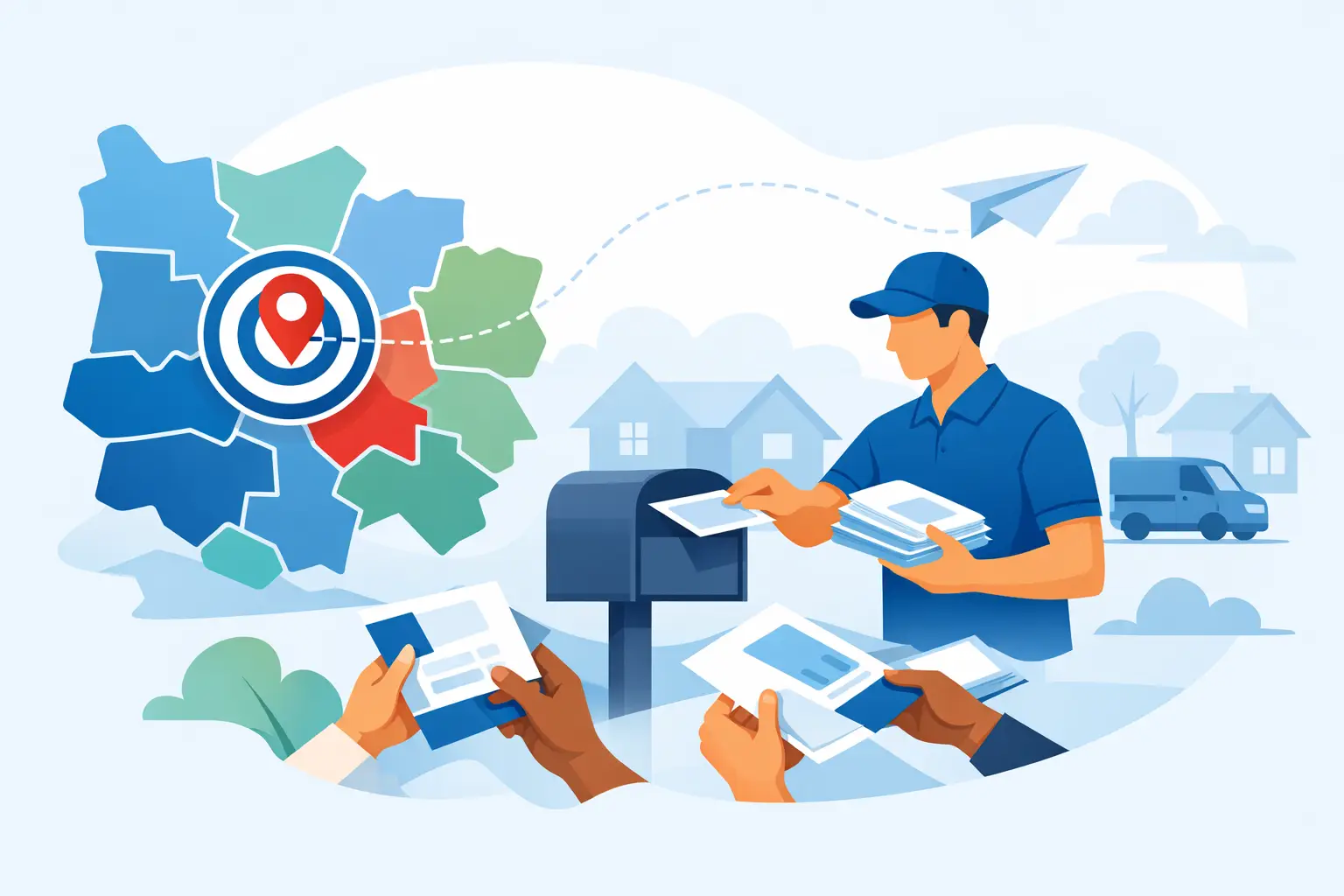
Postcode targeted leaflet distribution helps local businesses reach the right homes, control spend and improve campaign results with…
Read article
Use these best leaflet design tips to create clear, persuasive print that gets noticed, builds trust and drives…
Read article