June 4, 2026
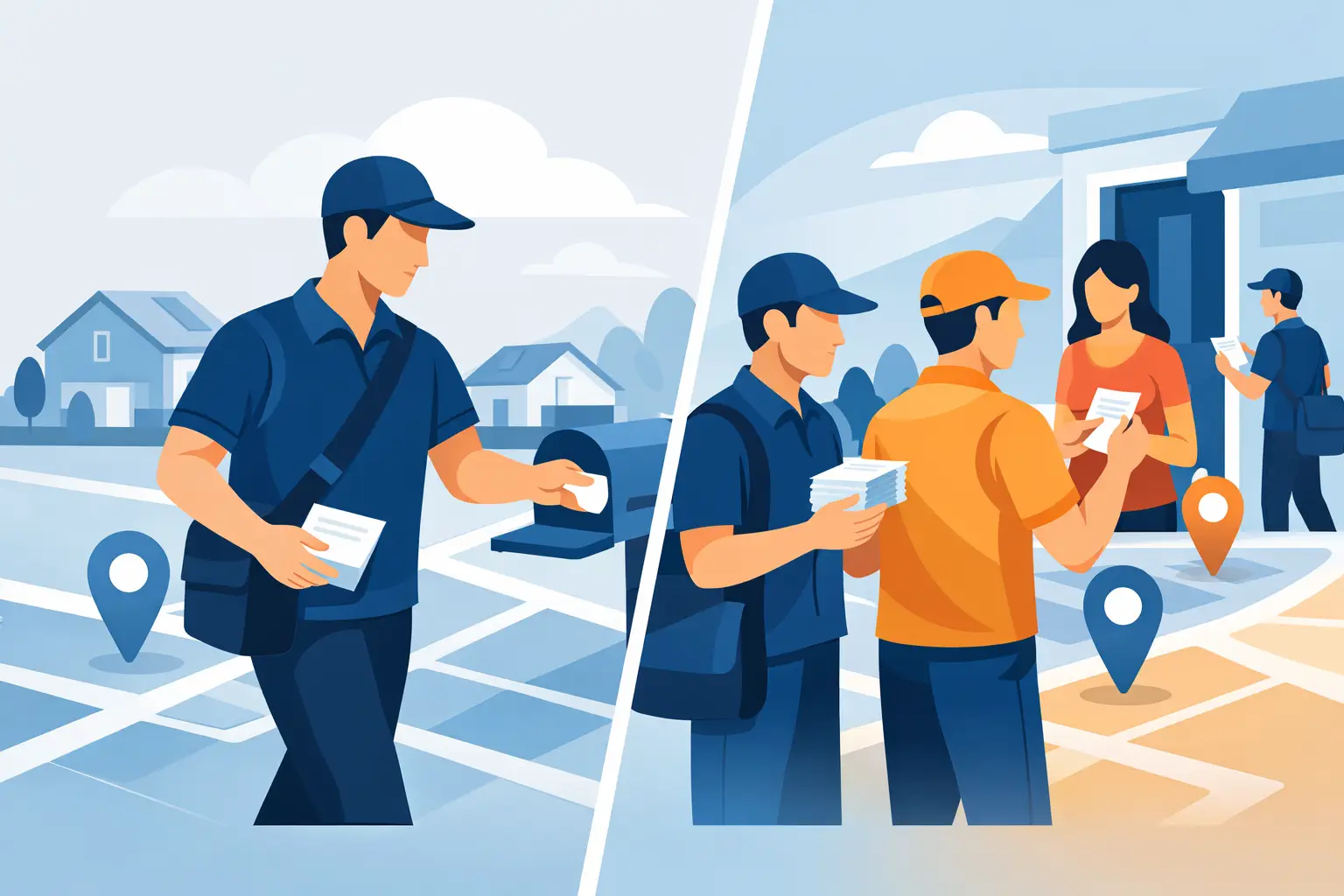
Solo vs Shared Leaflet Distribution
Compare solo vs shared leaflet distribution to choose the right balance of cost, reach and response for your…
Read article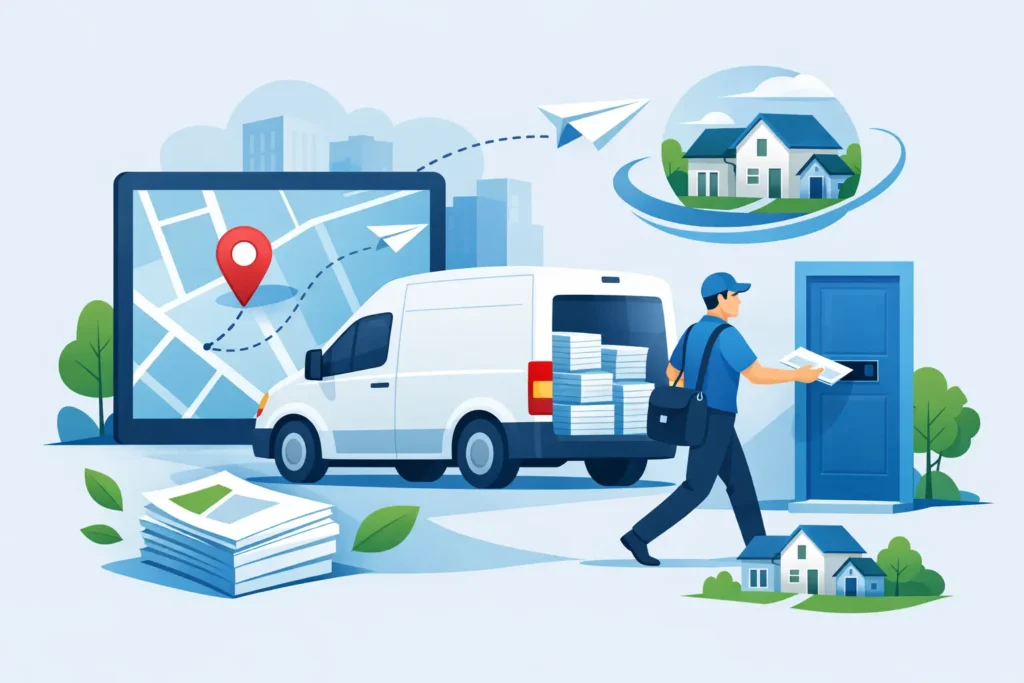
If you want more local enquiries in PE7, broad advertising usually wastes budget before it gets moving. Leaflet distribution PE7 works best when it is planned around the right streets, the right quantity and a delivery method that matches your commercial goal.
That matters because PE7 is not one simple audience. A campaign aimed at established family households will look different from one targeting newer developments, commuter areas or mixed residential pockets near busy local routes. When distribution is treated as a volume exercise rather than a targeting exercise, response often falls short.
For businesses that rely on local custom, print still has one clear advantage. It puts your offer directly into homes in the area you actually want to serve. No bidding war, no scrolling past, no guesswork about whether your message reached the household at all. But that only holds up if the delivery is dependable and the campaign is built properly from the start.
The strongest campaigns in PE7 are usually the simplest. A clear offer, a sensible catchment area and a realistic quantity will outperform a vague message pushed too widely. Many businesses lose response not because print has stopped working, but because they distribute too thinly or cover areas that do not match their service radius.
If you are a trades business, estate agent, takeaway, dentist, gym, nursery or local event promoter, the key question is not just how many leaflets you want delivered. It is where those homes are, how relevant your service is to them and whether repeated visibility will help move them to act.
For example, a one-off campaign can work well for a launch, seasonal offer or short booking window. A repeat campaign is often stronger for businesses that need familiarity before a customer gets in touch. People rarely respond to every advert the first time they see it. They respond when the timing suits them, and repeated household exposure improves those odds.
Not every campaign needs the same format. That is where many local businesses either overspend or underperform.
Shared distribution is usually the practical choice when budget matters and reach matters just as much. Your leaflet is delivered alongside other items, which helps keep costs under control while still giving you coverage across selected areas. For many SMEs, this is the right starting point because it allows meaningful local reach without requiring a premium campaign budget.
This option tends to suit general service promotion, awareness building and broad household offers. If you want to stay visible in PE7 without committing to a more exclusive format, shared distribution often gives the best balance.
Solo distribution is a better fit when your message needs more attention. If you are promoting a higher-value service, a time-sensitive campaign or a major opening, being the only item delivered can make a clear difference. Households are more likely to notice it, keep it and act on it when the message is not competing with other printed materials.
It costs more, so it needs a commercial reason. If one new customer covers a healthy share of the campaign cost, solo distribution can be the smarter choice rather than the expensive one.
PE7 should not be treated as one block on a map. Different parts of the postcode can behave differently depending on housing mix, access, demographics and the type of service being promoted. A local campaign works better when distribution is planned around likely customer fit rather than convenience.
That is especially relevant for businesses with clear travel limits or service zones. If you only want work within a manageable radius, targeted postcode planning protects your budget and helps maintain enquiry quality.
Businesses often ask what quantity they need before asking what they are trying to achieve. The answer depends on whether the goal is reach, frequency or urgency.
If you want to introduce your brand to a local area, broader coverage may make sense. If you want stronger recall, repeat delivery to the same households can be more effective than spreading one run across too large an area. If the campaign is tied to a date, timing becomes just as important as volume.
A restaurant promotion before a bank holiday weekend, for instance, needs a different schedule from a home improvement service that wants to build a steady pipeline over several months. In print marketing, timing can raise or lower response without changing the artwork at all.
There is also the issue of saturation. Too small a quantity often produces too little market presence to generate traction. Too broad a quantity across mixed areas can dilute relevance. The sweet spot usually sits in the middle – enough homes to create visibility, but focused tightly enough to keep the audience useful.
The biggest concern in this sector is straightforward. Were the leaflets actually delivered where they were meant to go?
That is why reliability is not a marketing extra. It is the service. If route planning is weak, reporting is vague or the delivery process lacks accountability, even good artwork and a good offer will struggle to produce worthwhile results. Businesses are not buying paper movement. They are paying for local exposure that should turn into enquiries.
A dependable distributor should be able to explain how routes are planned, how areas are verified and what reporting you can expect afterwards. That level of transparency matters because it reduces the risk attached to printed campaigns. You are making a local marketing investment, and you need confidence that it is being carried out properly.
PB Leaflet Distribution has built its service around that issue since 2010, with an emphasis on verified routes and straightforward reporting rather than vague assurances. For local businesses, that is often the difference between trying print once and using it as a regular channel.
The simple answer is businesses with a clear local offer and a defined service area. Leaflet distribution tends to perform well when the household can understand the value quickly and act without much friction.
Trades and home services often do well because demand is local by nature. A resident in PE7 who needs a roofer, plumber, cleaner or landscaper is more likely to respond to a business that already looks active in the area. Food businesses can also benefit from timely local promotions, particularly when the design is offer-led and the delivery area matches realistic fulfilment zones.
Professional services can work well too, but usually with a different approach. Rather than a discount-first message, these campaigns often need stronger trust signals, clearer positioning and a reason to keep the leaflet for later. Schools, clubs, nurseries and event organisers can also gain good traction where timing and area selection are handled carefully.
Delivery quality matters, but the leaflet still needs to do its job. Too much text, no clear offer or weak contact details will reduce response even if the targeting is good.
In most cases, the strongest printed pieces are direct. State what you do, who it is for, what the benefit is and how to respond. If there is an offer, make it easy to understand. If there is no offer, give the household a strong reason to keep the leaflet. Testimonials, local credibility and a simple call to action usually do more than trying to say everything at once.
It also helps to match the message to the area. A family-focused service may want one version for residential household targeting, while a premium service may need a more selective look and feel. Good distribution cannot rescue weak creative, but strong creative delivered properly gives you a far better chance of real return.
If your business needs local visibility in a defined area, the answer is often yes. The real question is whether the campaign is planned with enough discipline to make the spend worthwhile.
That means choosing the right format, setting a realistic quantity, targeting the right parts of PE7 and working with a distributor that can show clear accountability. It also means accepting that results depend on fit. Some campaigns need repetition, some need exclusivity, and some need tighter geography rather than more volume.
Print is rarely about gimmicks. It is about getting the right message into the right homes, consistently and reliably. When that is done well, leaflet distribution remains one of the most practical ways to generate local awareness and local enquiries.
If you are planning a PE7 campaign, start with the commercial basics – where you want work, how many homes you need to reach and what result would make the campaign worth repeating. That usually leads to better decisions than chasing the biggest quantity for the lowest price.
Ready to plan your next leaflet campaign?
Get a Free Quote
Compare solo vs shared leaflet distribution to choose the right balance of cost, reach and response for your…
Read article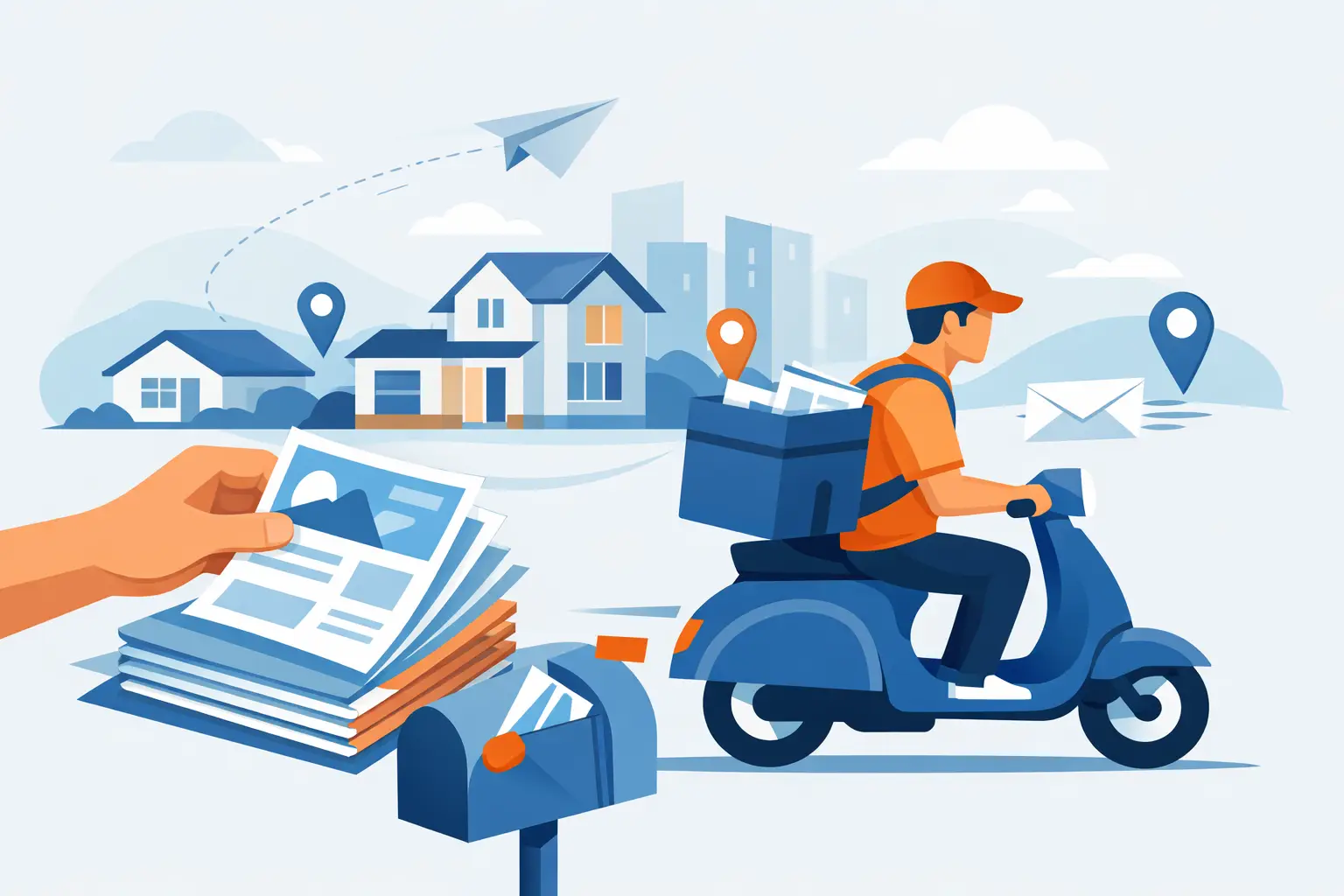
Choose a reliable flyer delivery service that gives you targeted coverage, verified routes and clear reporting for better…
Read article
Compare solo delivery vs shared delivery for your leaflet campaign. Choose the right balance of impact, coverage and…
Read article