June 14, 2026
PE2 Leaflet Campaign Planning That Works
PE2 leaflet campaign planning made practical. Choose areas, quantities, timing and format with confidence to improve local response…
Read article
A local business can spend weeks tweaking online ads and still struggle to get in front of the right households. That is why many owners still ask, is leaflet distribution effective when you need direct, local visibility and enquiries you can track? The honest answer is yes, but only when the campaign is planned properly, delivered reliably and aimed at the right areas.
Leaflets are not magic. They are a practical advertising tool. Used well, they put your offer in the hands of people who actually live in the neighbourhoods you want to serve. Used badly, they become wasted print, wasted delivery and wasted budget.
It is effective for the same reason it has remained part of the marketing mix for years. It reaches people at home, in a physical format, without relying on algorithms, rising click costs or people actively searching online. If your business serves a clear local area, that matters.
For trades, local services, takeaway businesses, estate agents, childcare providers, gyms, event organisers and many other SMEs, the goal is often simple. You want more households in a defined area to know you exist, remember your name and respond to a clear offer. Leaflet distribution does that well because it is targeted by geography rather than guesswork.
That said, effectiveness depends on what you mean by results. If you expect every 1,000 leaflets to produce immediate sales, you will judge the channel unfairly. If you understand that print can build awareness, repeat exposure and direct response at the same time, you will measure it more accurately.
The biggest factor is targeting. A local campaign performs better when the households receiving it are realistically within your service radius and likely to need what you offer. There is little value in blanket coverage if half the homes are outside your catchment or unlikely to convert.
The second factor is trust in delivery. This is where many businesses become cautious with leaflet marketing. The concern is not the leaflet itself. It is whether the material is actually delivered as agreed. Reliable distribution, verified routes and transparent reporting are what turn leaflet marketing from a gamble into a proper campaign.
Timing also matters. A one-off round can work for a strong local offer, but many businesses see better results from repeated exposure. People often keep a leaflet until they need the service. Others notice the brand on the second or third time they see it. For services people buy occasionally, consistency usually beats a single burst.
The design and message carry their share of the workload too. If the leaflet is cluttered, vague or trying to say ten things at once, response will drop. Clear branding, a simple offer, relevant local messaging and one obvious next step tend to perform better than over-designed pieces full of filler.
Leaflet distribution works best when the buyer is local and the service area is clear. A roofer covering selected postcodes, a cleaning company building regular rounds, or a new food business trying to build recognition in nearby streets all have something in common. They do not need national reach. They need visibility where they can actually trade.
It is also effective when your offer is easy to understand quickly. Discounts, free quotes, seasonal promotions, opening announcements and service reminders are all strong leaflet material. The recipient should be able to see who you are, what you do and why they should care within seconds.
Another strong use case is area penetration. If you want to build market presence in one part of Peterborough before expanding into another, leaflet distribution lets you focus spend with control. That is often far more efficient than broad digital activity that spills outside the areas you want.
Leaflet distribution is not the right answer for every business. If you sell a very niche B2B service, need nationwide reach or rely on lengthy consideration before purchase, other channels may carry more weight.
It can also underperform if the area selection is poor. Sending leaflets to households that are unlikely to buy, or spreading budget too thin across too many postcodes, weakens response. The same applies if your message is generic. People do not respond to leaflets because they were printed nicely. They respond because the offer feels relevant.
There is also a patience factor. Some businesses want immediate, high-volume leads from a single run. That can happen, but it is not guaranteed. Print is often strongest when it supports broader local brand recognition and repeat contact.
Start with your objective. If the goal is to generate quote requests, your leaflet should be built around that action. If the goal is awareness in a new area, then recall and later response matter just as much as same-week calls.
Next, look at your service geography. If you serve PE1 to PE7 and know certain neighbourhoods convert better than others, that should shape the campaign. A tightly planned local distribution can outperform a larger, looser campaign simply because the coverage is more relevant.
Then consider your average job value and conversion window. A business offering high-value services may only need a small number of responses to make a campaign profitable. A lower-margin business may need stronger volume and more repeated activity. Effectiveness is not just about response rate. It is about return.
You should also make response easy to measure. Use a dedicated phone number, a clear offer code, a landing page reference or a simple prompt asking callers where they heard about you. Print should not be unmeasurable just because it is offline.
This choice affects results more than many businesses realise. Shared distribution is a cost-efficient option when budget matters and broad local exposure is the priority. It allows you to reach more households for less, which can work well for awareness campaigns, seasonal offers and businesses testing a new area.
Solo distribution gives you more prominence because your leaflet arrives on its own. That can improve attention and response, especially for stronger offers, premium services or campaigns where impact matters more than minimum cost.
Neither option is automatically better. The right choice depends on your goal, budget and how competitive your message is. If you want maximum reach at controlled spend, shared can make commercial sense. If you want more standout value per household, solo often justifies the higher investment.
If there is one issue that shapes whether leaflet distribution is effective, it is confidence in the delivery. Businesses are right to ask how routes are managed, how areas are covered and what proof they will receive. Without that, campaign planning becomes guesswork.
A dependable distributor should offer clear area selection, realistic quantity planning and transparent reporting. That creates accountability and helps you compare one campaign against the next. It also gives you the confidence to repeat what works instead of treating every campaign as a fresh risk.
For local businesses, that reliability is often the difference between viewing leaflets as an occasional punt and using them as a consistent lead-generation channel.
The businesses that do well with leaflet distribution usually keep things simple. They target sensible areas, use a clear message, include one strong call to action and track what comes back. They do not try to be clever for the sake of it.
It also helps to think in rounds rather than one-offs. A household may notice your leaflet today, keep it for two weeks, then call when the need becomes urgent. Another may ignore the first one and respond to the second because the brand now feels familiar. Repetition builds trust.
If you are testing a campaign, start with a defined area, a realistic quantity and a message tied to a clear commercial outcome. Review the response, adjust the offer or targeting if needed, and build from there. That is a better approach than printing too much, covering too wide an area and hoping volume alone will carry the campaign.
PB Leaflet Distribution has built its service around that practical model – targeted coverage, reliable delivery and reporting that gives businesses confidence in where their marketing spend is going.
So, is leaflet distribution effective? For many local firms, yes, absolutely. Not because print is old-fashioned or because digital has failed, but because direct household marketing still does a job few other channels can do as simply. Put the right message through the right doors, and it gives local businesses something they actually need: visible reach in the areas that matter most.
The smart move is not to ask whether leaflets work in general, but whether your next campaign is targeted, trackable and delivered properly.
Ready to plan your next leaflet campaign?
Get a Free Quote
PE2 leaflet campaign planning made practical. Choose areas, quantities, timing and format with confidence to improve local response…
Read article
Leaflet distribution PE6 for local businesses that want reliable delivery, postcode targeting and better response from every campaign.
Read article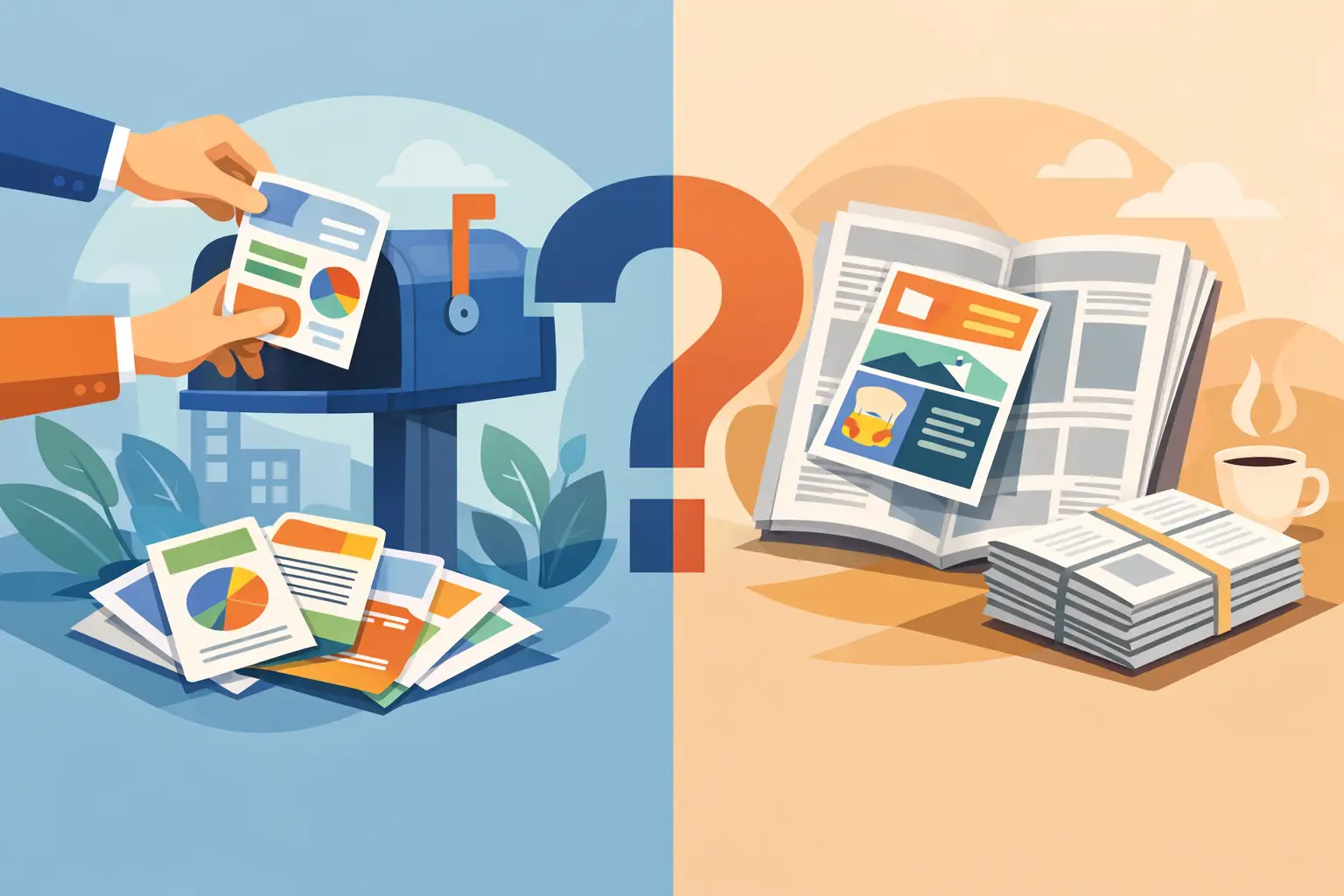
Shared leaflets or newspaper inserts can both cut costs, but the right choice depends on targeting, timing, visibility…
Read article